
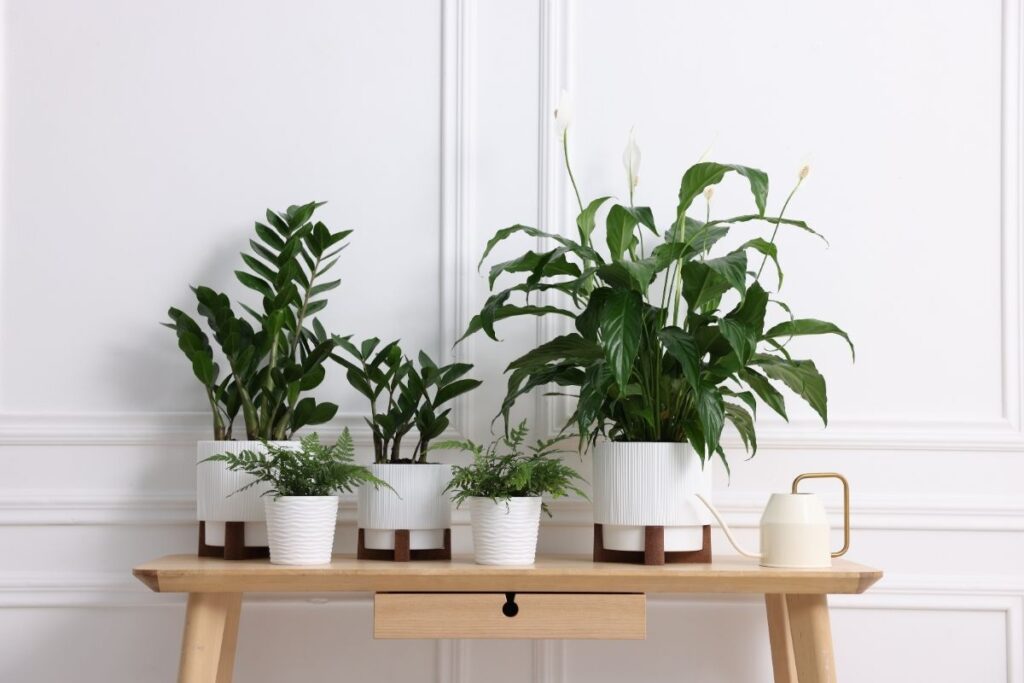
Repotting plants at ground level or on a kitchen counter gets old fast, and a dedicated potting table solves both the mess and the back strain in one build. The right design depends a lot on how much space you actually have to work with, from a small balcony to a full garage setup.
This guide walks through potting table ideas organized by the kind of space you’re working with, followed by the features and materials that make any potting table genuinely useful. Pick the idea that matches your setup and you’ll have a much easier time keeping your gardening supplies organized.
Potting Table Ideas for Small Patios or Balconies
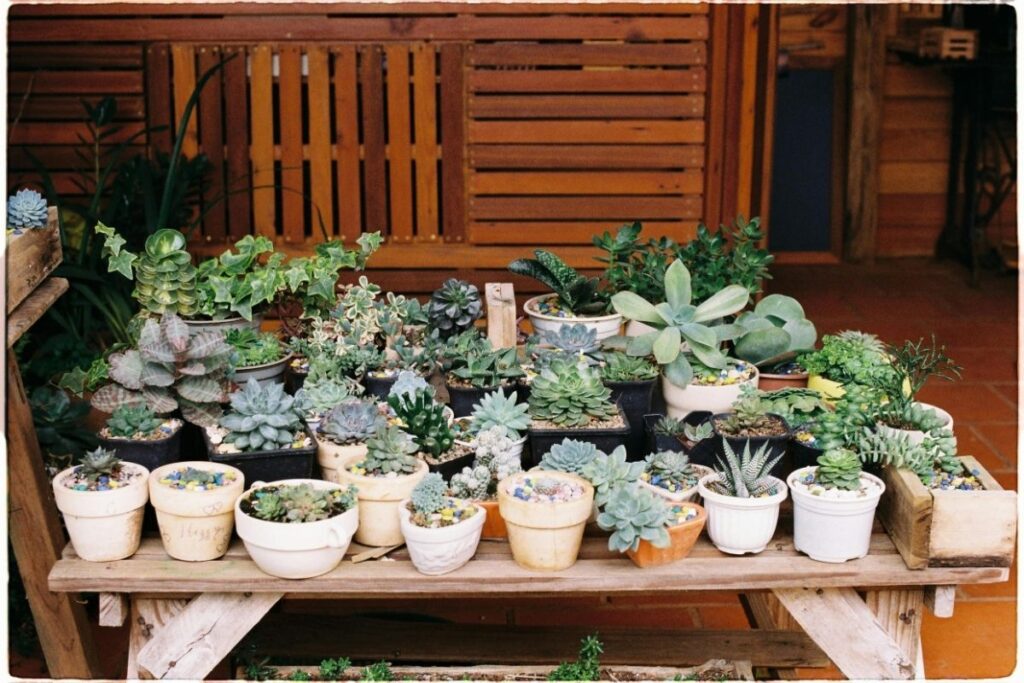
Limited outdoor space calls for a design that stays out of the way when you’re not actively potting plants. A wall-mounted, fold-down table keeps the surface flush against the wall until you need it, then swings down to a full 24 by 36 inch working area.
A slim shelf mounted below the folded table gives you a spot for a few pots and a small bag of soil without needing floor space of its own. This design works especially well for apartment balconies or small patios where every square foot counts.
Potting Table Ideas for a Backyard or Garden Corner
With more room to work with, a freestanding potting bench becomes a practical option, typically sized around 48 to 60 inches wide and 24 inches deep. Building the surface a bit taller than a standard table, around 36 inches, keeps you from bending over while working.
A center soil sink, essentially a recessed bin built into the tabletop, contains loose soil and makes cleanup far easier than working on a flat, open surface. Adding a lower open shelf underneath gives you a spot for pots, bags of soil, or a small stool.
Potting Table Ideas for a Garage or Shed Setup
If your potting station lives in a garage or shed, you can build in more storage and organization than an outdoor-only design typically allows. This plan pairs a sturdy potting surface with a pegboard or hook rail mounted on the wall behind it for hand tools and gloves.
Adding a few labeled bins or drawers underneath keeps seed packets, plant tags, and small hand tools sorted and easy to find. Since this setup stays under cover, you have more flexibility with materials that might not hold up as well to direct weather exposure.
Must-Have Features for Any Potting Table
Regardless of which setting you’re building for, a few features consistently make a potting table more useful in daily use. A soil sink or raised lip around at least part of the surface keeps loose dirt contained rather than spilling onto the ground.
A lower shelf for pots, soil bags, or a step stool adds practical storage without requiring a separate piece of furniture. Hooks or a small rail for hanging trowels, gloves, and pruners keeps your most-used tools within arm’s reach while you work.
Materials That Hold Up to Outdoor and Soil Use
Cedar is a popular choice for potting tables thanks to its natural rot resistance, holding up well to both moisture and regular soil contact. A galvanized metal insert for the soil sink area adds extra durability in the spot that takes the most direct wear from dirt and water.
Pressure-treated pine offers a more budget-friendly alternative, though it benefits from a sealant coat given the frequent moisture exposure this type of table sees. Avoid untreated softwoods for any surface that will regularly hold wet soil, since they tend to break down faster than more weather-resistant options.
Tools You’ll Need
A circular saw or table saw handles the main cuts across any of these designs, while a drill and driver cover assembly. A jigsaw is useful if you’re cutting a recessed opening for a soil sink or metal insert.
Exterior wood screws and weatherproof wood glue are worth using throughout, even on garage or shed builds, since soil and water exposure happens regardless of the table’s location. A basic level helps confirm the surface sits even, which matters for keeping loose soil from sliding toward one side.
Frequently Asked Questions
How tall should a potting table be? Most potting tables sit around 36 inches tall, a bit higher than a standard table, to reduce bending while you work.
What is a soil sink on a potting table? It’s a recessed section built into the tabletop, often lined with metal, designed to contain loose soil and make cleanup easier.
What’s the best wood for an outdoor potting table? Cedar is a common choice for its natural rot resistance, though pressure-treated pine works well as a more affordable, sealant-dependent alternative.
Can a potting table be built for a small balcony? Yes, a wall-mounted fold-down design keeps the footprint minimal while still providing a full working surface when needed.
Do potting tables need a sink with running water? Not necessarily. Many designs skip plumbing entirely and rely on a nearby hose or watering can, though a built-in sink is an option for a more elaborate setup.
Final Thoughts
The right potting table idea comes down to matching the design to your actual space, whether that’s a small balcony, a backyard corner, or a garage with room for extra storage. Focus on the features that solve your biggest daily annoyance first, whether that’s soil spilling everywhere or tools you can never find.
Once it’s built, a well-designed potting table makes the whole process of repotting and planting noticeably less messy and more enjoyable.