
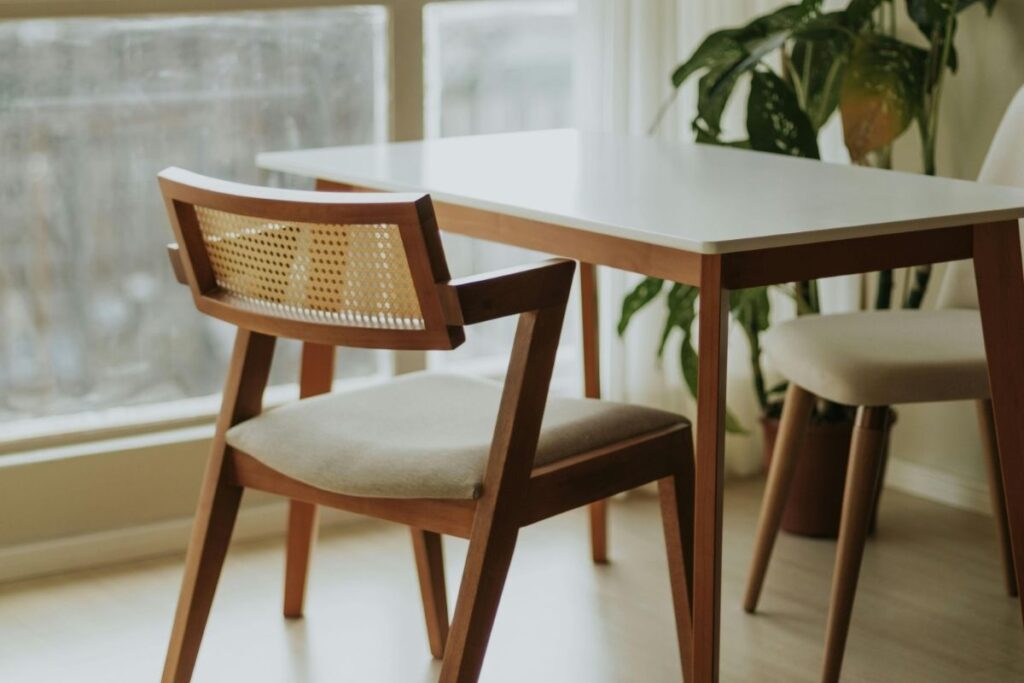
Modern table design leans on clean lines, honest materials, and a sense of restraint that lets a room breathe. Getting that look right comes down to a handful of choices that work together, from the materials you pick to the shape the table takes.
This guide walks through the elements that shape modern table design today, along with a few sub-styles, shapes, and features worth considering for your own space. Use it to narrow down a direction before you buy or build.
Materials Shaping Modern Table Design
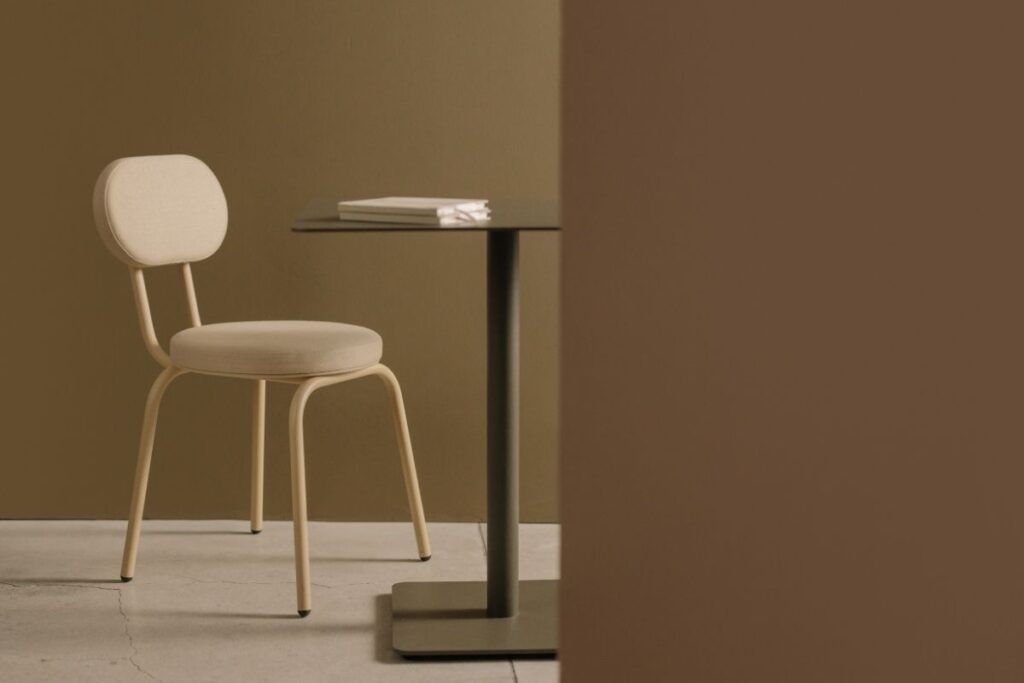
Material choice does a lot of the visual heavy lifting in modern design, often more than color or decor ever could. A few materials show up again and again across contemporary table styles.
Glass and Glass-Top Tables
A glass top creates an airy, lightweight feel that works especially well in smaller rooms where a solid wood table might feel heavy. Pairing glass with a metal or wood base keeps the overall look from feeling too cold or clinical.
Metal and Mixed-Metal Bases
Brushed steel, matte black iron, and brass all show up frequently in modern table bases, sometimes even combined within a single piece. A metal base paired with a warm wood top balances the coolness of the metal with a touch of natural texture.
Engineered Wood and Concrete
Engineered wood veneers offer the clean, consistent grain that modern design favors, often at a lower cost than solid hardwood. Concrete tabletops, meanwhile, bring an industrial edge and a surprisingly warm feel once paired with wood or brass legs.
Modern Sub-Styles to Explore
Modern design isn’t one single look, and a few distinct sub-styles give you room to personalize the direction you take. Each pulls from the same core principles while adding its own character.
Mid-Century Modern
Tapered wood legs, organic curves, and warm walnut or teak tones define this style, which draws from mid-20th-century design roots. It pairs naturally with retro-inspired chairs and warmer accent colors.
Minimalist Modern
This style strips things down to the essentials, favoring simple geometric shapes and a limited color palette. A single-material table, like an all-white or all-black design, often fits best within this approach.
Industrial Modern
Raw or blackened steel paired with a rougher, less polished wood top gives this style an urban, loft-like feel. It works particularly well in open-concept spaces with exposed brick or concrete elements.
Japandi
Blending Japanese minimalism with Scandinavian warmth, Japandi style favors light wood tones, low profiles, and understated joinery. Tables in this style often sit lower to the ground and emphasize natural, unfinished textures.
Shape and Silhouette Choices
Beyond material and style, the shape of a table plays a big role in how modern it feels within a space. A few silhouettes come up often in contemporary design.
Pedestal Bases
A single central pedestal, rather than four separate legs, gives a table a sculptural quality and frees up legroom underneath. This shape works well for both round and oval tabletops.
Waterfall Edge Tables
A waterfall edge continues the tabletop material down the sides to the floor in one continuous line, creating a seamless, monolithic look. This detail works especially well with stone, engineered wood, or concrete surfaces.
Sculptural and Asymmetrical Bases
Some modern tables use an intentionally irregular or sculptural base as a statement piece on its own. This approach works best when the rest of the room stays relatively simple, letting the table serve as the visual focal point.
Functional Modern Features Worth Considering
Modern design isn’t only about looks, and a lot of contemporary tables build in features that make daily use easier. An extendable tabletop lets you expand seating for guests without needing a separate, larger table for everyday use.
Built-in storage, whether a slim drawer or an open shelf beneath the top, keeps a modern table clutter-free without adding visual bulk. Nesting tables offer similar flexibility in living rooms, letting you separate or combine surfaces depending on the occasion.
Color Palettes for a Modern Table
Color plays a quieter but still important role in modern table design, usually leaning toward restraint rather than bold statements. A neutral palette of black, white, and warm wood tones remains the most common foundation across modern spaces.
For a bit more personality, a single bold accent, like a brass inlay or a colored lacquer finish, can stand out without overwhelming the room. Cooler tones like charcoal and slate also pair well with warmer wood accents for a balanced, contemporary feel.
Frequently Asked Questions
What defines a modern table design? Clean lines, minimal ornamentation, and honest material use, like exposed wood grain or raw metal, are the core traits that define modern table design.
Is glass or wood better for a modern table? Both work well, though glass suits smaller spaces looking for a lighter visual footprint, while wood adds warmth to larger or more lived-in rooms.
What’s the difference between mid-century modern and minimalist modern? Mid-century modern leans into organic curves and warm tones, while minimalist modern favors sharper geometry and a more restrained color palette.
Do modern tables work with traditional home decor? Yes, a single modern table can work as an intentional contrast piece in an otherwise traditional room, especially when paired with a few complementary accents.
What table shape looks most modern? Pedestal bases and waterfall edge designs are among the most closely associated with modern design, thanks to their clean, uninterrupted lines.
Final Thoughts
Modern table design comes down to a handful of deliberate choices, from the materials and shape you choose to the small functional details that make a piece practical day to day. Pick a sub-style that resonates with you, then build the rest of your decisions around it.
Whether you lean toward mid-century warmth or minimalist restraint, a well-chosen modern table can anchor a room without ever feeling overdone.